
The Grove

What are the risks for developing perinatal mood disorders?
Discovering the intricate landscape of perinatal mood disorders is essential for expectant and new parents. This blog post delves into critical risk factors that can impact emotional well-being during this transformative period. From a history of mental health challenges, experiences of sexual trauma, and reproductive hardships to relationship issues and social support deficiencies, each factor is explored. The post emphasizes the importance of proactive support, urging individuals to seek professional help and leverage resources to navigate the perinatal journey successfully. Encouraging self-care, the post concludes with a reminder that seeking assistance is a strength, not a weakness, and that a robust support system is key to embracing the challenges of parenthood.

Parenting with Mindful Awareness: Nurturing Compassion in Making Mistakes
Parenting is a journey filled with love, joy, and occasional missteps. As caregivers, we strive to provide the best for our children, but sometimes we make mistakes along the way. In those moments, practicing mindful awareness can be a guiding light, helping us navigate the complexities of parenting with compassion and understanding. By pausing, observing our thoughts and emotions, and reconnecting with our children, we create an environment of openness and empathy. Through mindful awareness, we can embrace our imperfections, learn from our mistakes, and cultivate a loving and nurturing bond with our children. Together, let's embark on this mindful parenting journey, fostering self-compassion and strengthening our relationships one mindful moment at a time.

Gift Guide for New Moms: Ways to Support Mental Health and Well-Being
Show support to new moms with gifts that promote their mental well-being and self-care. From comfortable robes to guided meditation apps, check out these gift ideas to help new moms navigate the challenges of motherhood during the fourth trimester with ease and joy.






What is Postpartum OCD?
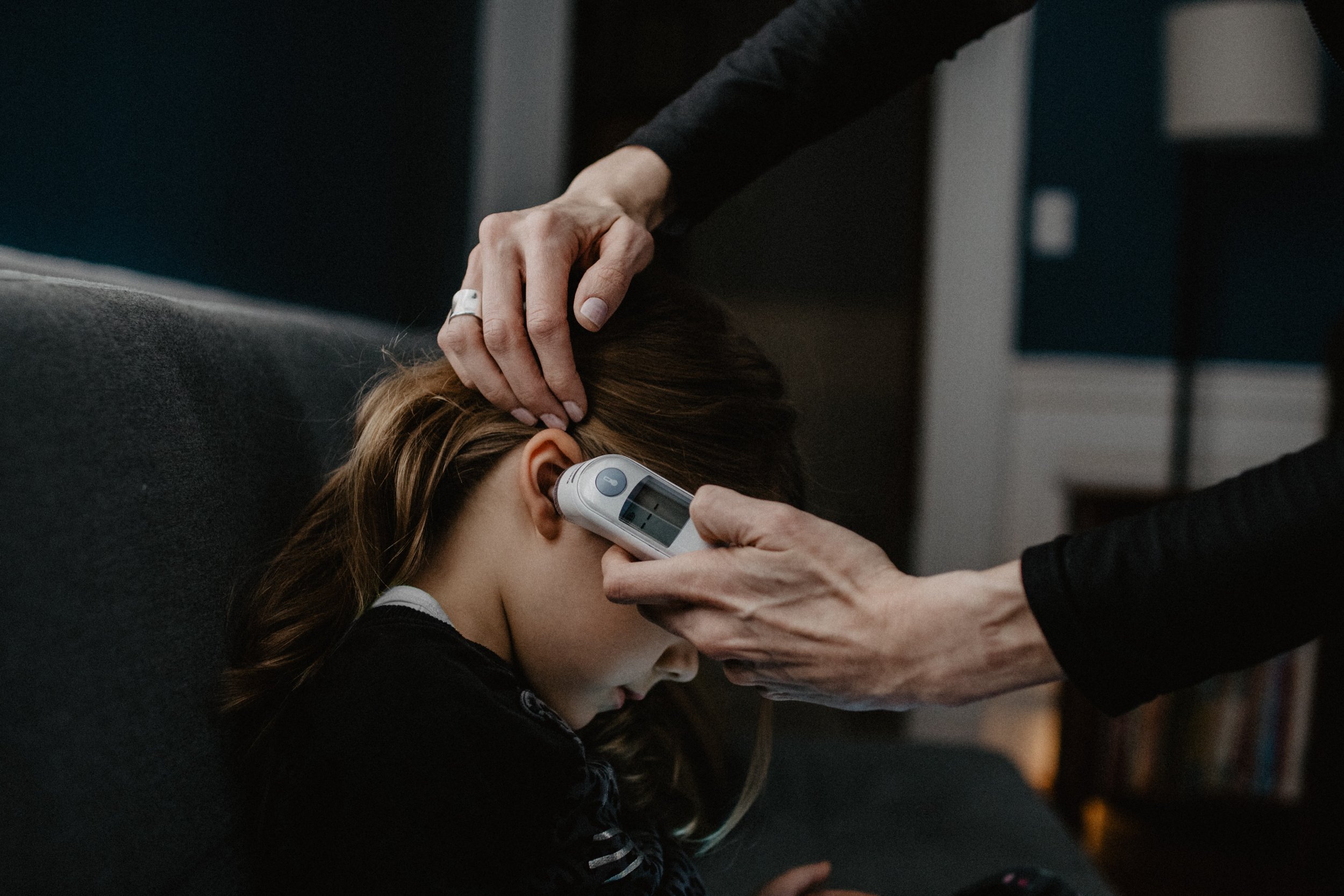
Postpartum obsessive-compulsive disorder affects about 3-5% of women during pregnancy or up to a year after childbirth. Symptoms involve repetitive and intrusive unwanted thoughts and behaviors to avoid or relieve the thoughts. OCD is an anxiety disorder and can cause excessive worry and scary thoughts, which can be disturbing for someone experiencing it. A personal or family history of anxiety or OCD is a risk factor. However, postpartum OCD is treatable with talk therapy and medication. It is essential to understand the nature of obsessive thoughts and compulsions, practice self-compassion, and seek treatment early.

What is Postpartum Anxiety?
Learn about postpartum anxiety, its symptoms, causes, and treatment options in this informative blog post. Discover how therapy and medication can help, and the importance of seeking help early. If you're struggling with postpartum anxiety, don't hesitate to seek support.

What is Postpartum Depression?
Postpartum depression is a condition that affects many women after giving birth or becoming a new parent. In this blog post, we explore what postpartum depression is, its symptoms, causes, and treatment options. We also provide information on how to seek help, emphasizing the importance of early intervention in promoting recovery.