

The most common complication of pregnancy and postpartum is a mental health issue.

Beyond the Baby Blues
Trust your instincts. If you are pregnant or postpartum and something feels “off” to you; like-
you are still feeling very sad or depressed after the “baby blues” period has passed
you have incessant worry/anxiety
you find yourself incredibly angry and unable to control your temper
you can’t sleep at night even when your baby sleeps
you are having scary thoughts about yourself or your baby
-get help! We offer solution focused techniques including cognitive behavioral and interpersonal therapies to help you get back to feeling like yourself again.

Infertility grief doesn't follow a clear timeline or come with recognition from the outside world. This post looks at what makes that grief so exhausting to carry, and how therapy — including EMDR, IFS, and ACT — can help, whether you're early in testing, deep into treatment, or somewhere without a name yet.

OCD involves intrusive thoughts—unwanted, disturbing thoughts that feel outside your control and trigger intense fear or disgust. You can't simply "stop thinking about it." The harder you try, the stronger the thoughts become.

Postpartum nutrition isn't just about "getting your body back"—it's about giving your body what it needs to heal, adapt, and sustain you through the demands of new parenthood.
The fourth trimester is a critical window for physical and emotional recovery, yet it's often the time when parents are least equipped to prioritize their own nourishment. Between feeding schedules, diaper changes, and survival-mode exhaustion, cooking a balanced meal can feel impossible.
What you eat matters. Protein supports tissue repair. Iron replenishes what was lost during delivery. Omega-3s stabilize mood (and may help protect against postpartum mood disorders). Fiber keeps your digestive system functioning.

Nearly 1 in 7 mothers experience loneliness during motherhood. It’s a predictable response to identity shifts, physical isolation, and unrealistic social expectations. Research shows there are ways to effectively reduce maternal loneliness.

New research validates what mothers everywhere are experiencing: maternal mental health is in crisis. Only 1 in 4 mothers report excellent mental health today, down from nearly 4 in 10 just seven years ago. If you're struggling, you're not alone. Housing costs, childcare burdens, and systemic pressures are affecting mothers nationwide. The good news? There are proven solutions and professionals who understand exactly what you're going through.

This guide offers practical self-care strategies for new mothers, emphasizing both physical and mental wellbeing. From micro-moments of mindfulness to professional mental health support, these approaches acknowledge the realities of life with a newborn while prioritizing a mother's needs. Remember: caring for yourself isn't optional—it's essential for sustainable, healthy motherhood.

Parenthood reshapes identity, often leaving new parents feeling overwhelmed and disconnected. Reclaiming a sense of self involves small steps like scheduling self-care micro-moments, reimagining hobbies, setting realistic expectations, leaning on support networks, and engaging in reflective practices. Embracing your evolving identity with intention can transform this transition into an opportunity for growth.

Perinatal anxiety deeply affects mothers' lives, influencing infant feeding, relationships, and daily routines. This post explores these impacts and offers actionable strategies and downloadable resources to help mothers navigate anxiety during this transformative period.

A postpartum doula offers emotional, physical, and informational support to new mothers during their recovery and adjustment period. From assisting with breastfeeding challenges and light household tasks to providing education and partner guidance, postpartum doulas are invaluable in easing the transition into motherhood. Discover how their compassionate care can help new moms navigate this life-changing time with greater confidence.

Bonding with your newborn can take time and isn't always instant. Feeling detached or guilty is common but not a reflection of your abilities as a mother. Embrace the gradual process of building a connection, engage in small bonding moments, and seek support if needed. This blog post is designed to help you reframe some of your deepest worries about bonding with your newborn.

Perinatal OCD is an often overlooked condition that can occur during pregnancy or the first year postpartum. It involves persistent, intrusive thoughts, usually about harming the baby, which lead to compulsive behaviors like excessive cleaning or checking. These behaviors offer only temporary relief, trapping mothers in a cycle of anxiety and stress. For example, Bethany, a new mother, obsessively monitors air quality and cleanliness, isolating herself and feeling overwhelmed. Recognizing the signs and seeking specialized help is crucial. At Roots & Branches, therapists provide support to break the cycle of perinatal OCD.

Navigating the emotional challenges after childbirth can be tough. While the baby blues are common and usually short-lived, postpartum depression is more severe and persistent. Roots & Branches offers specialized support for new mothers facing these issues. Contact us for compassionate care to help you find balance and well-being during this transformative time.

Breastfeeding can bring unexpected challenges like Dysphoric Milk Ejection Reflex (D-MER), causing brief, intense negative emotions just before milk let down. D-MER is linked to hormonal changes, not psychological issues or disliking breastfeeding. Symptoms include sadness, dread, and anxiety, lasting 30 seconds to two minutes. It's distinct from postpartum depression but can occur alongside it. Manage D-MER with skin-to-skin contact, relaxation techniques, and support. For more info, visit d-mer.org or consult your healthcare provider.

As Mother's Day approaches, it's crucial to remember its origins beyond commercialism. Anna Jarvis envisioned it as a platform for political advocacy, especially for maternal health and women's rights. Yet, the true essence of the occasion has been overshadowed by consumerism, leaving many mothers feeling overwhelmed and unsupported in their daily struggles.
As a mental health therapist, I witness firsthand the toll these pressures take on maternal mental health, from anxiety to feelings of inadequacy. This Mother's Day, let's reclaim its true spirit by prioritizing maternal well-being over material gifts. Let's create a culture of empathy and understanding, where mothers feel empowered to seek help without stigma. Together, let's honor the resilience of mothers everywhere and advocate for policies that support their mental health. Because when mothers thrive, families thrive, and society as a whole benefits.

"When is it OK to stop trying to conceive?" This question weighs heavily on those facing infertility. While deeply personal, an informed decision considers emotional, physical, and financial factors. There are alternative paths to parenthood, or the option to embrace a child-free life. In recognizing the complexity of this decision, seeking support and understanding while considering alternative paths can guide you to a life of fulfillment and joy.

Looking for the perfect gift for an upcoming baby shower? Look no further! This blog post offers a curated list of five books that are not only thoughtful but also empowering for expectant mothers. The selections cover a range of topics crucial to the journey into motherhood, from addressing fears and anxieties to navigating the postpartum period with grace.

Pregnancy and the postpartum period are transformative experiences, both physically and emotionally. Roots & Branches Wellness understands the importance of community and support during this time, offering a perinatal education and support group facilitated by PSI-trained therapists. This group provides a valuable space for mothers to connect, share experiences, and gain knowledge about pregnancy, childbirth, and postpartum care. The postpartum period, often challenging for new mothers, carries the risk of postpartum depression (PPD), a serious mental health condition. Recognizing the signs of PPD is crucial for early intervention and treatment. Therapy, including approaches like Lifespan Integration (LI) and medication, can effectively address PPD and maternal mental health concerns. At Roots & Branches, mothers find a safe haven, with therapists specially trained in maternal mental health, ready to provide compassionate care and guidance. Whether joining a support group or seeking individual therapy, mothers are encouraged to reach out for the support they deserve. Remember, you're not alone; a supportive community awaits to assist you on your journey towards maternal well-being.

Discovering the intricate landscape of perinatal mood disorders is essential for expectant and new parents. This blog post delves into critical risk factors that can impact emotional well-being during this transformative period. From a history of mental health challenges, experiences of sexual trauma, and reproductive hardships to relationship issues and social support deficiencies, each factor is explored. The post emphasizes the importance of proactive support, urging individuals to seek professional help and leverage resources to navigate the perinatal journey successfully. Encouraging self-care, the post concludes with a reminder that seeking assistance is a strength, not a weakness, and that a robust support system is key to embracing the challenges of parenthood.

Parenting is a journey filled with love, joy, and occasional missteps. As caregivers, we strive to provide the best for our children, but sometimes we make mistakes along the way. In those moments, practicing mindful awareness can be a guiding light, helping us navigate the complexities of parenting with compassion and understanding. By pausing, observing our thoughts and emotions, and reconnecting with our children, we create an environment of openness and empathy. Through mindful awareness, we can embrace our imperfections, learn from our mistakes, and cultivate a loving and nurturing bond with our children. Together, let's embark on this mindful parenting journey, fostering self-compassion and strengthening our relationships one mindful moment at a time.

Show support to new moms with gifts that promote their mental well-being and self-care. From comfortable robes to guided meditation apps, check out these gift ideas to help new moms navigate the challenges of motherhood during the fourth trimester with ease and joy.


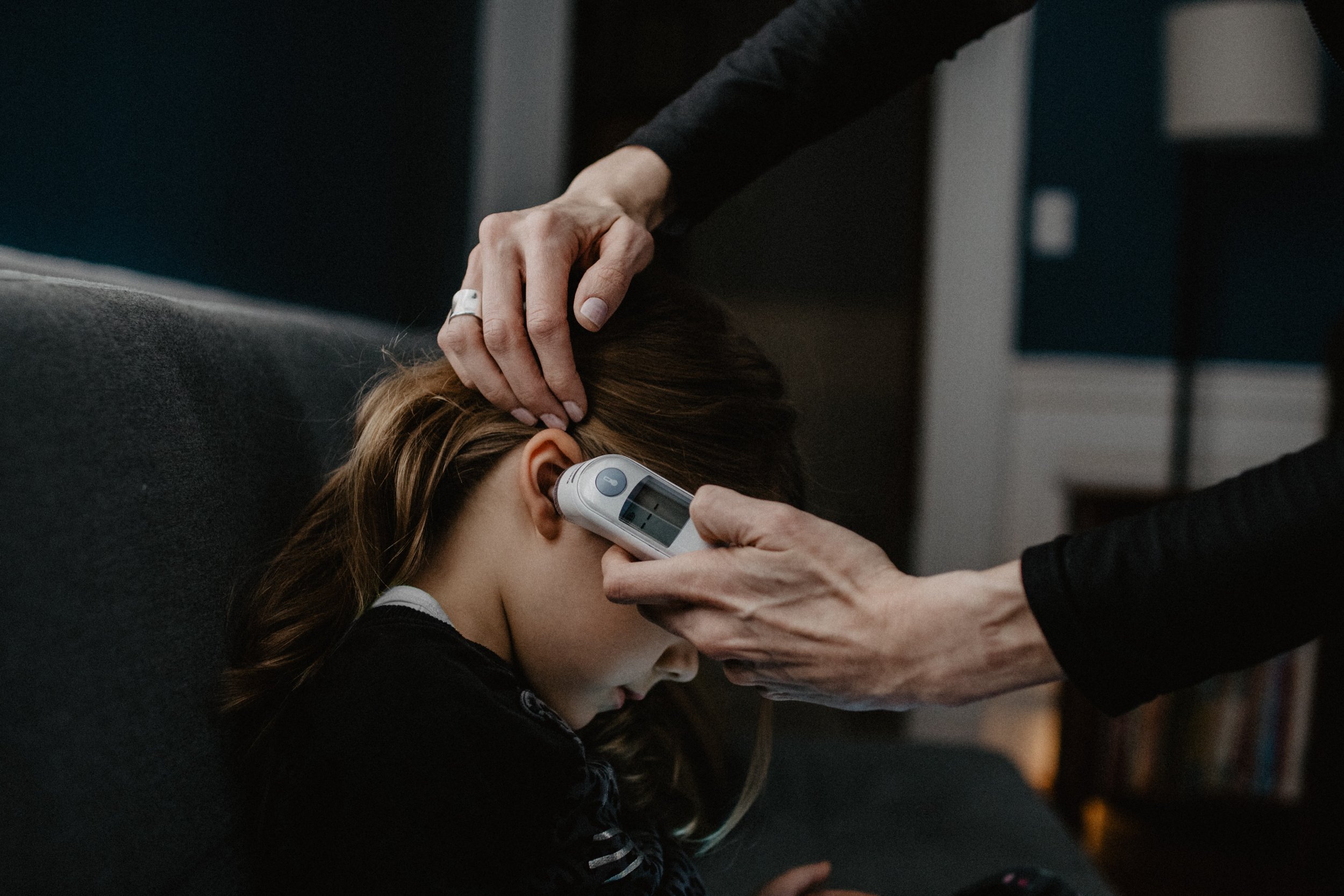




Postpartum obsessive-compulsive disorder affects about 3-5% of women during pregnancy or up to a year after childbirth. Symptoms involve repetitive and intrusive unwanted thoughts and behaviors to avoid or relieve the thoughts. OCD is an anxiety disorder and can cause excessive worry and scary thoughts, which can be disturbing for someone experiencing it. A personal or family history of anxiety or OCD is a risk factor. However, postpartum OCD is treatable with talk therapy and medication. It is essential to understand the nature of obsessive thoughts and compulsions, practice self-compassion, and seek treatment early.

Learn about postpartum anxiety, its symptoms, causes, and treatment options in this informative blog post. Discover how therapy and medication can help, and the importance of seeking help early. If you're struggling with postpartum anxiety, don't hesitate to seek support.

Postpartum depression is a condition that affects many women after giving birth or becoming a new parent. In this blog post, we explore what postpartum depression is, its symptoms, causes, and treatment options. We also provide information on how to seek help, emphasizing the importance of early intervention in promoting recovery.