

Grief & Trauma
Guiding you through grief and trauma towards growth and renewal.

Heal your roots...
We specialize in guiding individuals through the complex landscapes of grief and trauma. We understand that these experiences can profoundly impact your life, leaving you feeling lost, overwhelmed, or stuck. Our approach is rooted in helping you understand your past, navigate your present, and grow towards a healthier future.
When it comes to grief, whether from loss of a loved one, a relationship, or a significant life change, we provide a safe space to process your emotions and find meaning in your experience. Our therapists help you navigate the stages of grief at your own pace, honoring your unique journey.
For trauma, we recognize that the effects can be far-reaching, influencing your thoughts, emotions, and behaviors in ways that may feel beyond your control. Our trauma-informed care focuses on creating safety, building resilience, and promoting healing.
We utilize evidence-based therapies like Internal Family Systems (IFS) and Lifespan Integration to support your healing journey. IFS therapy helps you identify and harmonize different "parts" of yourself that may be carrying the weight of grief or trauma. This approach fosters self-compassion and internal balance. Lifespan Integration, on the other hand, aids in processing traumatic memories and integrating them into your life story, promoting healing across your entire lifespan.
Our skilled therapists will work with you to explore your roots, helping you understand how past experiences shape your present. Through this therapeutic journey, you'll discover new branches of resilience and growth, fostering a stronger, more integrated sense of self. We're here to support you in not just coping with grief and trauma, but in finding pathways to post-traumatic growth and renewed purpose.

Trauma memories don't always process the way ordinary memories do. When something overwhelming happens, the brain can store it in a way that keeps it activated — bleeding into the present long after the event itself. EMDR helps the brain finish that work. Here's what it is, what happens in a session, and who it can help.
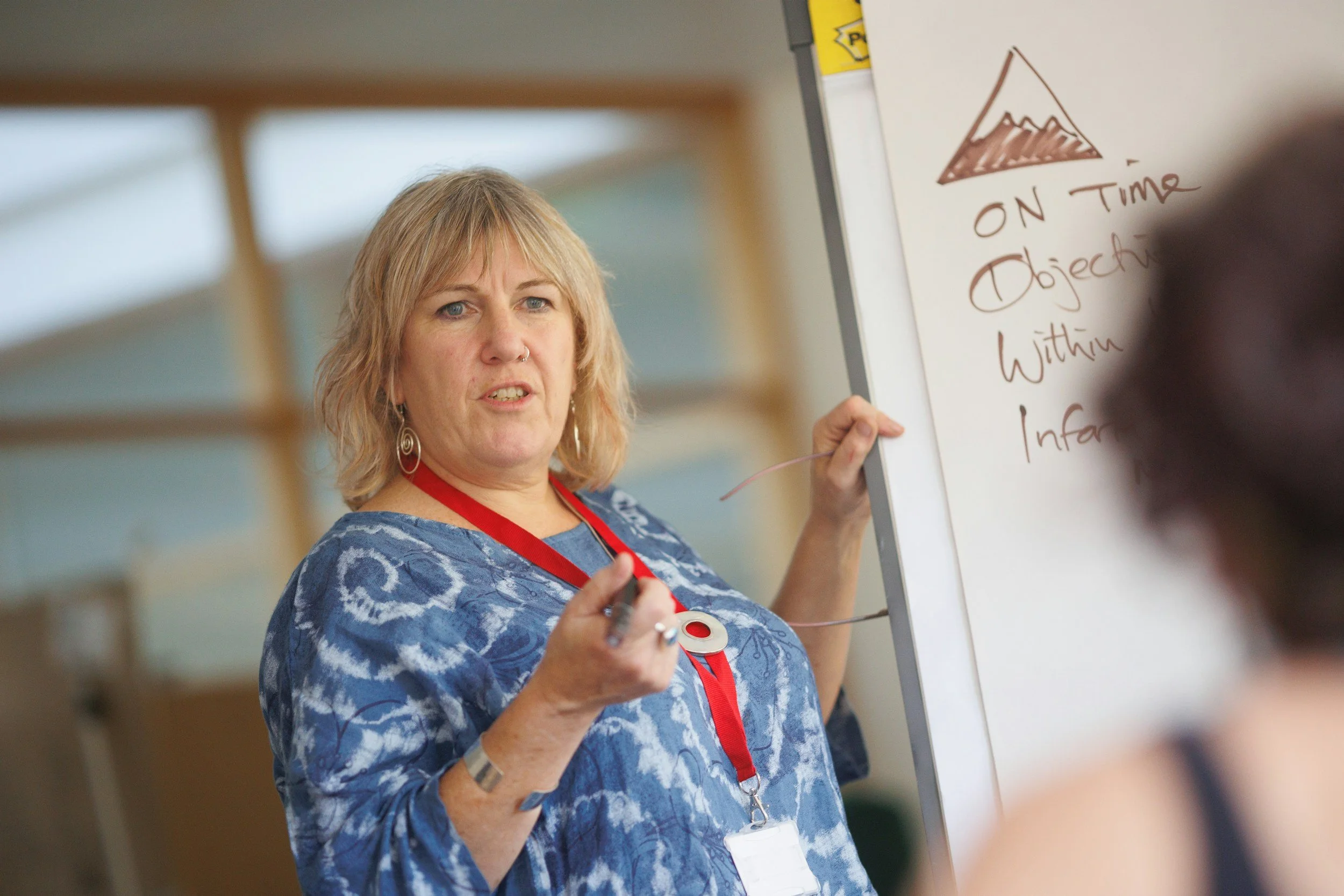
Teaching is a calling — and right now, that calling is under serious strain. This post explores why what educators are experiencing goes beyond burnout, introducing the concept of moral injury and what the research says about it. We also cover practical, evidence-based strategies for protecting mental health when the system isn't making it easy.

The Boundary Waters. The emperor penguin. The Atlantic current system. This week's news was bleak — and this Earth Day, if you're carrying something heavier than anxiety, something closer to rage, that's not an overreaction. That's what it looks like to pay attention.
This year's World Health Day theme is Together for Health. Stand with Science — and we're here for it.
More than 1 billion people worldwide live with a mental health condition. Effective, evidence-based treatments exist. We use approaches that are grounded in research: EMDR, Gottman Method, ACT, IFS, and Lifespan Integration.

Coping skills aren't meant to erase hard feelings — they're meant to keep them from taking over. Most people walk into therapy expecting a fix. What they find instead is something more useful: tools that interrupt escalation, create space to think, and build capacity over time.

Research by Madelin Pepper reveals that LDS mission stress often causes lasting mental health impacts, with 24 of 39 survey respondents reporting continued effects. Common issues include anxiety, depression, PTSD, and suicidal ideation, exacerbated by perfectionism and lack of support. Healing pathways include psychoeducation, therapy, and improved institutional mental health approaches.

Acceptance and Commitment Therapy (ACT) helps people develop psychological flexibility by accepting difficult thoughts and feelings while taking actions aligned with personal values. ACT benefits those with anxiety, depression, chronic pain, and other challenges through its six core processes: acceptance, cognitive defusion, present moment awareness, self-as-context, values clarification, and committed action.

Trauma goes beyond everyday stress—it rewires the brain and nervous system after overwhelming events. Learn to recognize trauma's physical and emotional symptoms, which can emerge years later. At our practice, we offer specialized healing through IFS, Lifespan Integration, and ACT therapies, helping clients achieve not just recovery but post-traumatic growth.

The end of a close friendship can be as painful as the death of a loved one. The emotional distance can feel overwhelming, with feelings of guilt and heartache amplifying the grief. Understanding this loss as part of life's evolving seasons can help in processing these complex emotions and finding healing.

Grief can strain even the strongest relationships, and the loss of a pregnancy can affect partners in different ways. Open, honest, and empathetic communication becomes crucial during this time to ensure that both individuals feel supported and understood. It's important to remember that there's no "right" way to grieve, and partners may process their loss differently. Regular check-ins, acknowledging differences in grieving styles, and creating shared rituals can help couples navigate this challenging time together, fostering connection and mutual support even amidst grief. Using Lifespan Integration can help with the grieving process and honor the profound significance of their loss while also reconnecting with their broader life narrative.

Discover the transformative power of Internal Family Systems (IFS) therapy, a modality we like to use for trauma work and more. Learn how IFS views the mind as a system of parts, each with unique roles, and how accessing the core Self can harmonize these parts. Explore the process of identifying parts, developing compassionate relationships with them, and restoring balance. Insights from our therapists highlight the holistic approach, the acceptance of all parts, and the integration of mind and body in this empowering therapeutic model.

Lifespan Integration (LI) is a gentle, body-based therapeutic method developed in 2002 by Peggy Pace. It helps individuals heal from trauma and grief by integrating past experiences into a coherent life narrative without re-traumatizing them. LI involves creating a timeline of significant life events and guiding clients through visualizations that connect past and present selves. This approach, informed by neuroscience, rewires the brain for healthier emotional responses. LI's non-invasive, adaptable nature makes it particularly effective for trauma work, promoting resilience and holistic healing.

Infertility is a journey fraught with emotional ups and downs, and for many women, it can take a toll on their mental health. The rollercoaster of hope and disappointment, the uncertainty of outcomes, and the societal pressure to conceive can lead to feelings of depression, anxiety, and profound grief. Finding ways to cope is paramount to keep from being swallowed up by infertility. There’s still room for joy amidst the heartache and finding ways to cope helps find it.

Discovering the path to a strong core self is a transformative journey that involves introspection, healing, and growth. Through Lifespan Integration therapy, individuals like you can embark on this empowering process of self-discovery. By exploring the depths of your emotions, cultivating affect regulation, fostering secure attachments, and embracing self-awareness and self-love, you can nurture a resilient core self that serves as a foundation for a fulfilling life.
If you're intrigued by the prospect of nurturing your inner strength and reclaiming your sense of wholeness, we invite you to delve deeper into this topic on our blog. Explore firsthand accounts, expert insights, and practical tips to embark on your own journey toward a strong core self. Start your exploration today and unlock the transformative power of Lifespan Integration therapy.

This blog post explores the impact of trauma on memory, emphasizing the psychological and emotional responses to distressing events. Trauma, arising from various sources such as physical harm, emotional abuse, or loss, can lead to long-lasting effects on mental health, including conditions like PTSD. The post highlights the significant influence of trauma on memory, explaining how it overwhelms individuals and impairs the processing and integration of memories. The role of the hippocampus in memory processing is discussed, noting its impairment during traumatic experiences. The post also delves into the effects of trauma on the nervous system, leading to hyperarousal or hypoarousal states, making memory processing challenging. It further details how trauma can result in fragmented, incomplete, or suppressed memories, contributing to a "time problem." Therapeutic approaches like Lifespan Integration (LI) are recommended to help individuals process and integrate traumatic memories by establishing a time structure and reinforcing that the trauma is in the past. Overall, the post emphasizes the importance of addressing trauma to promote effective and healthy memory processing.

🤔 Ever wondered how to navigate the messy world of grief and come out stronger on the other side? 💪 Our latest blog dives into the personal journey of our practice manager with therapy and Acceptance and Commitment Therapy (ACT). Spoiler: it's all about finding balance and embracing life, pain and all! Head to our blog for the full scoop. 🚀 #GriefJourney